Modular and Digital Operating Theatres: Building Smarter Surgical Spaces
Yarward Malaysia | 30th October 2026
Hospitals across the region are rethinking how operating theatres are built and run. Surgical demand keeps growing, and so do expectations for cleanliness, speed and connected technology. Two approaches are leading that change: modular operating theatres and digital operating theatres. This page explains what each one is and how they work together.
Loading Viewer...
What Is a Modular Operating Theatre?
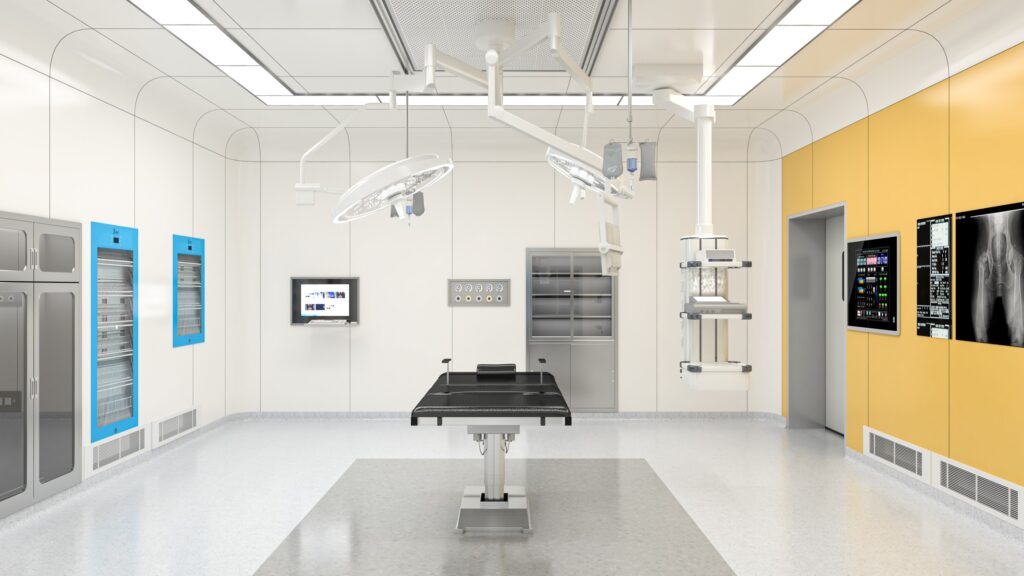
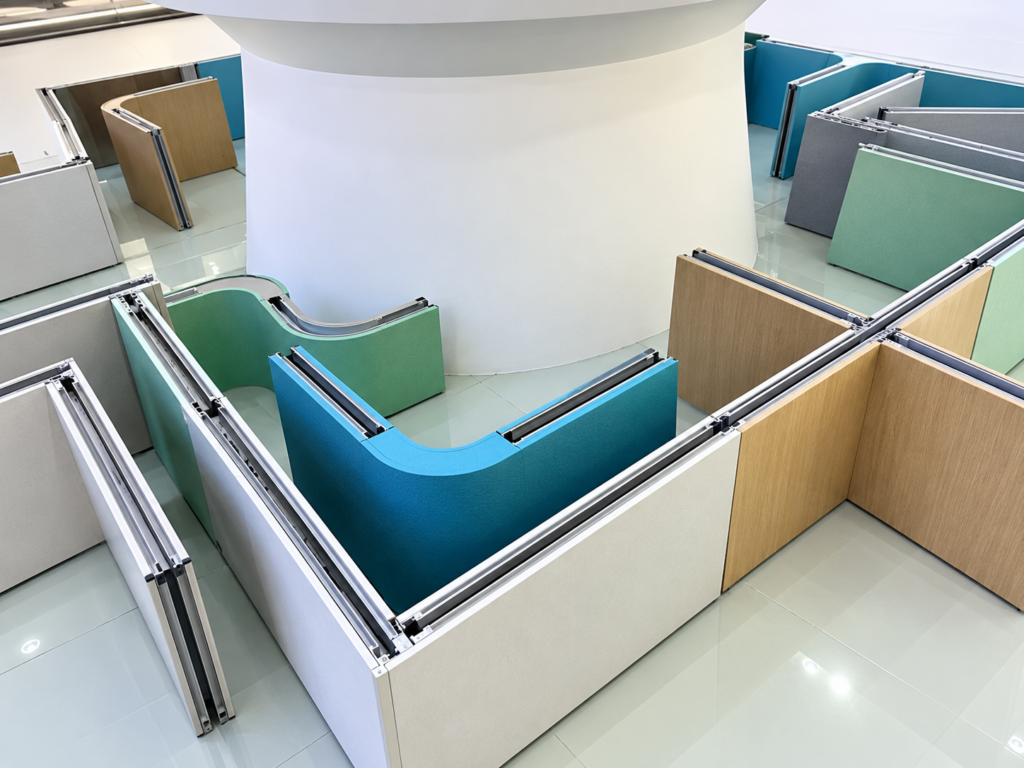
A modular operating theatre is built from prefabricated components, such as wall and ceiling panels, doors and integrated fittings, that are manufactured in a controlled factory environment and assembled on site. Instead of building the room from scratch with traditional construction, the hospital receives a standardised, ready-to-install system.
Why Hospitals Choose Modular
- Faster installation. Most of the work happens off site, so on-site construction takes less time and causes less disruption to the rest of the hospital.
- Consistent quality. Factory production gives more predictable finishes and tolerances than on-site building.
- Easier cleaning and infection control. Smooth, seamless surfaces with few joints leave fewer places for dirt and bacteria to collect.
- Flexibility. A modular design can be planned to match the layout and size a hospital needs, and adapted later as needs change.
Built for Infection Control
Infection control is part of the design from the start, not added afterwards. A modular OT includes:
- A three-zone layout separating sterile, clean and contaminated areas
- Antibacterial surfaces
- Hermetic doors that seal the room
- HEPA laminar airflow to keep the air clean over the surgical area
Click here to find out more about Modular OT.
What Is a Digital Operating Theatre?
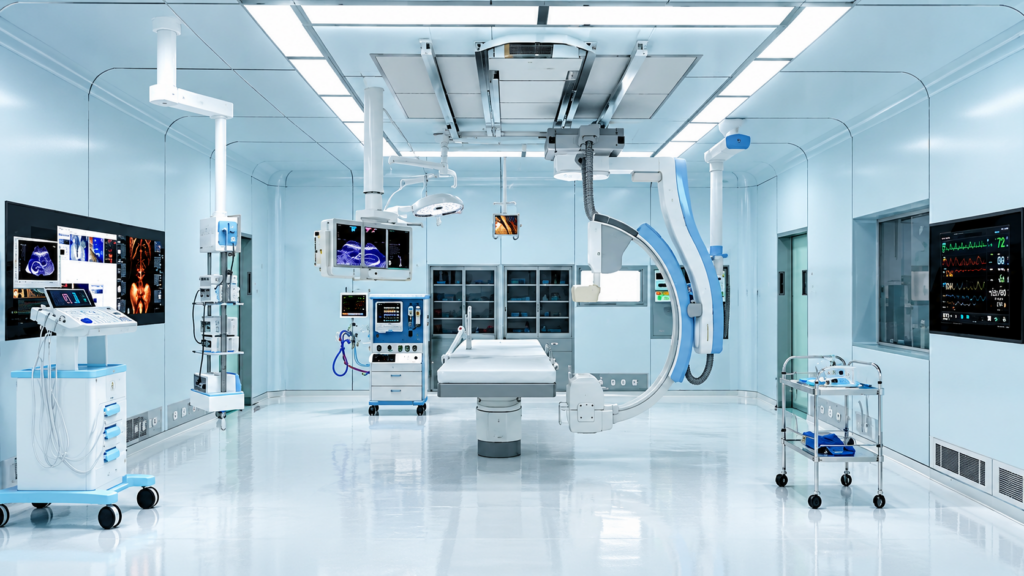
A digital operating theatre connects the equipment and information inside the room through one integrated system. This typically includes display screens, surgical video and camera feeds, image and video recording, centralised control of room equipment, and communication links to other parts of the hospital. The surgical team gets one place to view and control what they need, which cuts clutter and saves time during procedures.
That includes links to your hospital’s core systems:
- HIS (hospital information system)
- PACS (medical imaging)
- LIS (laboratory information system)
- EMR (electronic medical records)
How the Two Work Together
Modular construction provides the physical foundation: a clean, consistent, well-planned room. The digital system builds on it, with cabling, displays and control points planned into the room from the start. Designing them together avoids retrofitting later, and the result is a theatre that is both easy to keep clean and ready for connected technology.
How They Work Together
A modular OT gives you a room that is quick to build and designed for clean, controlled surgery. A digital OT makes that room smart to run. When the two are planned together, the cabling, displays and connections are built in from the beginning, so there is nothing to retrofit later.
Proven in China, Now Coming to Malaysia
Yarward’s modular and digital OT solutions are proven in China, and we are now bringing them to Malaysia. If you are planning a new theatre or upgrading an existing one, we would be glad to talk through what this could look like for your facility.
Planning an Operating Theatre Project?
Every hospital has different space, workflow and budget requirements. Our team can walk you through the options and help you find the right design.